The other way a customer finds you is that you go and find them. This is the fast lever — it works in days rather than quarters, and it stops the moment you stop paying. Both of those facts matter when you're deciding what to spend.
What we build · Reach further
Paid reach that carries the same message.
Google Ads, Meta, and Local Services Ads, plus email, social, and launches — every one of them carrying the message you locked, rather than improvising a new one per campaign.
What does Loqui's Reach Further work cover?
Reach Further covers Google Ads, Meta, and Local Services Ads — audits, builds, and management — plus ad copy and landing pages written from the locked message rather than improvised per campaign, email campaigns and sequences, social and organic content, and launches or announcements.
What an engagement can include here
Paid reach is the fastest lever on this page and the least forgiving. It amplifies exactly what you give it.
-
Paid
Google Ads, Meta, and Local Services Ads
Account audits, builds, and ongoing management. For a lot of local service businesses, Local Services Ads are the most underused of the three — you pay per lead rather than per click, and the Google Guaranteed badge does real work on trust.
-
Creative
Ad copy and landing pages from your message
Written from the message document, not improvised per campaign. This is the difference between a campaign that reinforces what your site says and one that quietly contradicts it — which is the more common outcome when a different person writes each one.
-
Email
Campaigns and sequences
The channel you own outright, and usually the most neglected. A welcome sequence that actually sounds like you is often the highest-return thing on a list like this, and it keeps working after you stop paying attention to it.
-
Organic
Social and organic content
Consistent with everything else you publish. Social is where message drift shows up first, because it's the channel most often handed to whoever has time.
-
Moments
Launches, announcements, and press
The set-piece moments — a new location, a new service, an award worth telling people about. These are worth planning rather than posting.
Where this sits in the work
This is the stage the whole framework is built to protect you from rushing into. Paid reach is an amplifier: it takes whatever message you hand it and buys attention for it at scale. Hand it a message that's still a guess, and you've bought a large audience for something that doesn't land. The spend goes up, the results don't, and the usual conclusion is "ads don't work for our business."
Which is also why we won't start here, even when a client asks us to. If you need ads live next month and the message isn't settled, we're the wrong agency for that job, and we'd rather say so on the first call than take the budget.
- Find your voice Settled before this begins
- Where you stand Scored in the open
-
Tell your story
You're reading about this stage
- Foundation
- Get found
- Reach further — this page
- Keep it honestruns across the other three
Questions people ask before they call
Can you just run our ads? We don't need the strategy work.
Honestly, no — and this is the one place we're rigid about it. Running ads on a message we haven't examined means spending your money to find out whether it works, which is an expensive way to do research.
If you have a message you're confident in, the assessment stage is short and cheap. If you don't, that's the thing worth fixing first. Either way we'd know within a couple of weeks.
What ad budget do we need?
It depends entirely on your market and what a customer is worth to you, so any number quoted here would be invented. What we will say is that we'd rather see a modest budget on a message that lands than a large one on a message that doesn't — the second is just a faster way to reach the wrong conclusion.
Do you charge a percentage of ad spend?
We'll tell you exactly how it's structured before you buy anything. What we avoid is any arrangement where we're paid more for recommending you spend more, because that's a conflict of interest dressed up as a pricing model.
What about Local Services Ads specifically?
Worth looking at for most licensed local service businesses. You pay per lead rather than per click, and the Google Guaranteed badge carries trust that ordinary ads don't. Setup involves verification and licensing checks, which is the main reason businesses put it off.

Ads are the fastest way to find out whether your message works.
That's the case for them and the warning about them. If you're weighing paid reach, one conversation about what you'd be amplifying is worth having first.
Thirty minutes, no pitch. Prefer email? Write to hello@loquidigital.com.
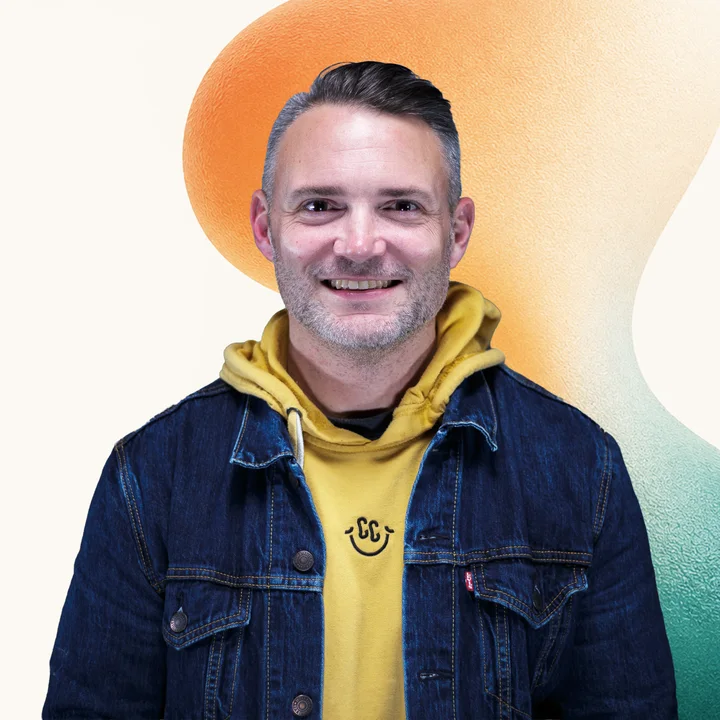
You'll be talking to me. Twenty years spent making a message land, and I do the work on every account.
Chris Hopkins, founder